
The Austroads Bridge Awards recognise individuals and organisations that have delivered outstanding bridge structures and design across Australia and New Zealand.
The awards were presented at the 12th Austroads Bridge Conference, held in Brisbane from 25 - 27 June 2025.
Awards winners received a prestigious Austroads Bridge Awards trophy and certificate in recognition of their work, and the opportunity to deliver an online presentation on their award-winning project in an Austroads webinar in 2025.
We congratulate the finalists and winners on their outstanding projects.
Austroads Bridge Awards Winners

Photo: Austroads 2025 Bridge Awards Winners
Winner: Kangaroo Point Bridge
Submitted by BESIX Watpac and Brisbane City Council
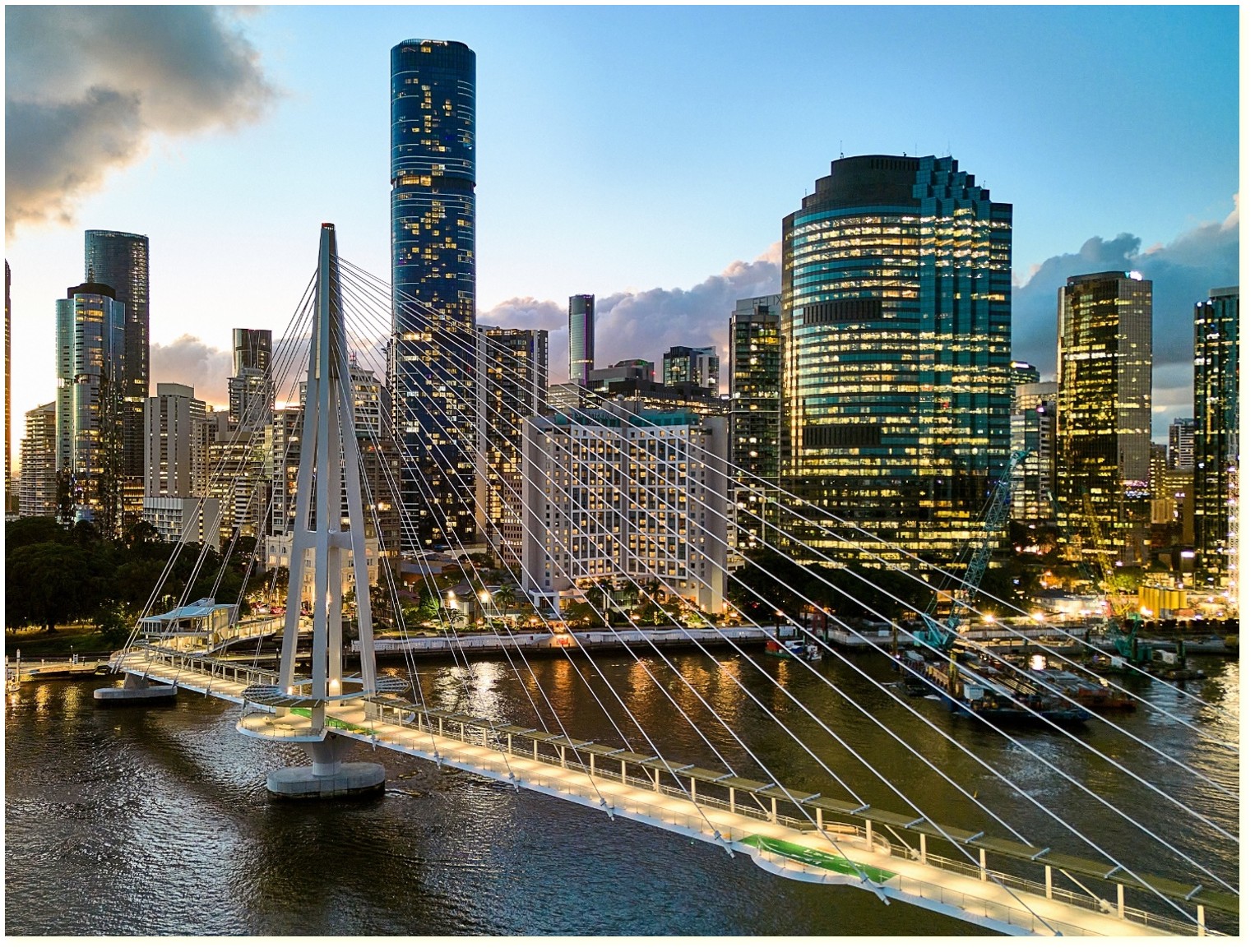
The Kangaroo Point Bridge demonstrated leading innovation in both design and construction. The main span was built in three 60 metre sections, which were assembled on temporary supports, connected to the deck, and then transferred by stressing the cable stays. This method allowed the deck to be erected quickly while keeping the Brisbane River open to marine traffic. The project also adopted off-site manufacturing and pre-assembly, with large structural elements transported to site by barge. This reduced on-site labour requirements, particularly for high risk work over water, while improving safety and efficiency. The approach streamlined the construction program, lowered costs and set a new benchmark for pedestrian bridge delivery. With a 95 metre tall steel mast supporting the 183 metre cable-stayed span, the bridge incorporates architectural facades and integrated feature lighting providing a visual landmark for the city.
Winner: Manganuku Bridge Strengthening
Submitted by Beca, NZ Transport Agency Waka Kotahi, Contech, Optimech International Ltd and Eastbridge Ltd.
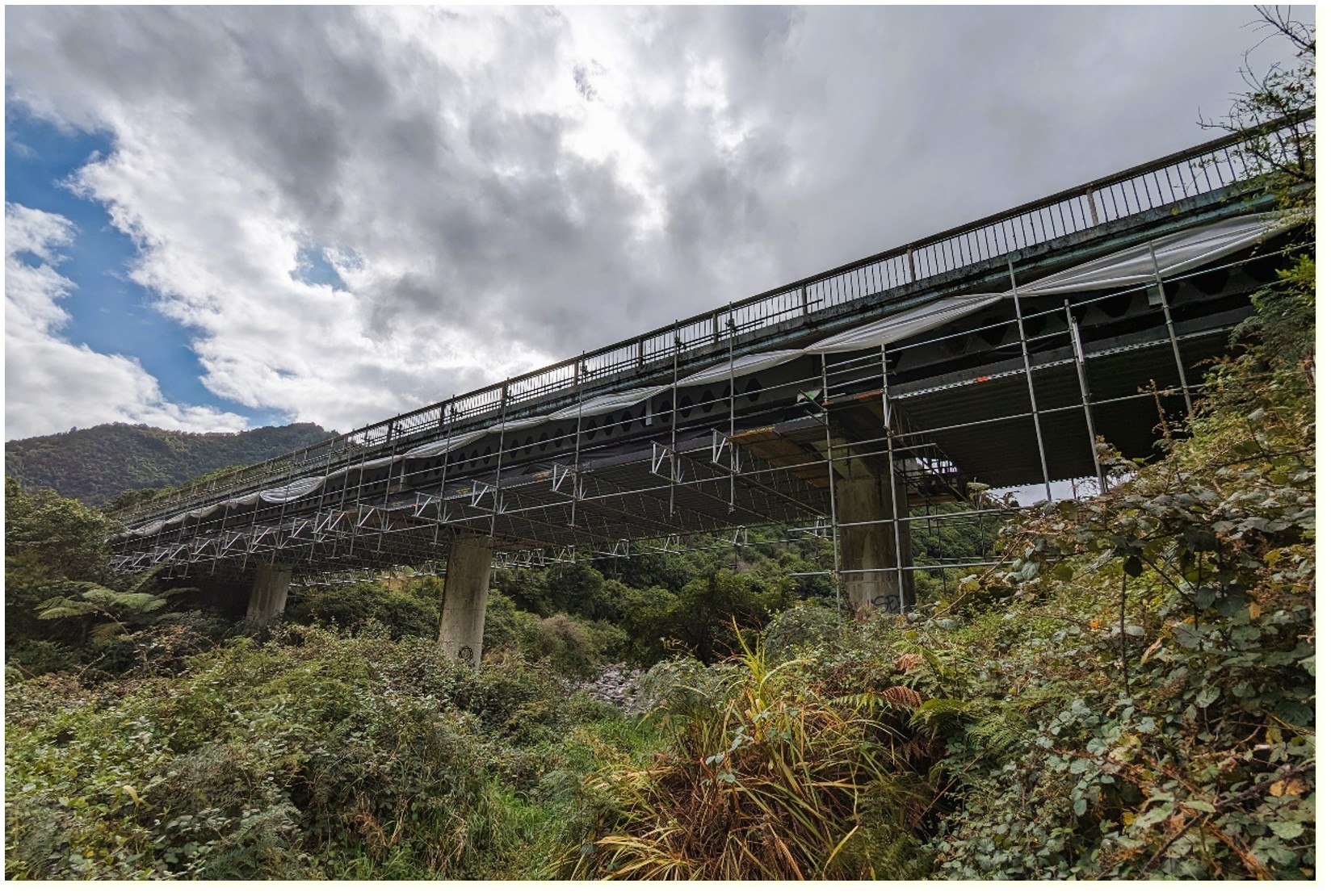
The Manganuku Bridge is a critical four-span link between Ōpōtiki and Gisborne, which faced a critical threat with the discovery of cracks in its girders. The timing of the discovery added to the challenge, with Cyclone Gabrielle forcing the closure of all alternative routes into the Gisborne region. Ensuring the continued operation of the bridge became a matter of urgency. Through a rapid and coordinated response, the project team developed a targeted strengthening solution, extending the bridge's life by approximately 40 years. By prioritising strengthening over replacement, the project achieved exceptional value for money, efficient use of resources and minimised traffic disruption.
Winner: Hanroy Marble Bar Road Bridge
Submitted by GHD
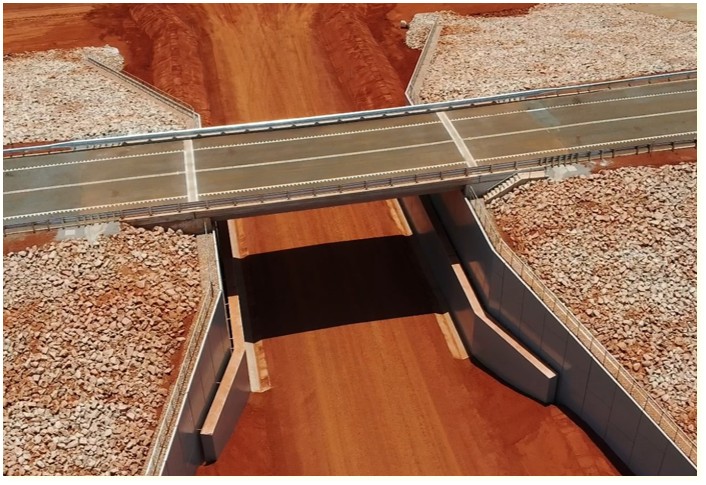
As part of Hanroy’s new Run of Mine development in the Pilbara, a grade separated crossing was required to enable heavy mining equipment to pass beneath Marble Bar Road while maintaining traffic flow. Bridge No. 1934 was delivered as a single-span precast beam and in-situ deck slab structure, spanning a 14.5 metre wide, 9.5 metre high clearance envelope. In-situ protection walls were designed to withstand haul vehicle collision loads, with new design criteria developed in the absence of relevant standards. The use of precast elements streamlined construction in the remote location and reduced delivery risks, supporting the delivery of a successful project.
Winner: Boorloo Bridge
Submitted by Main Roads Western Australia and Causeway Link Alliance (Civmec, Seymour Whyte, WSP in Australia)
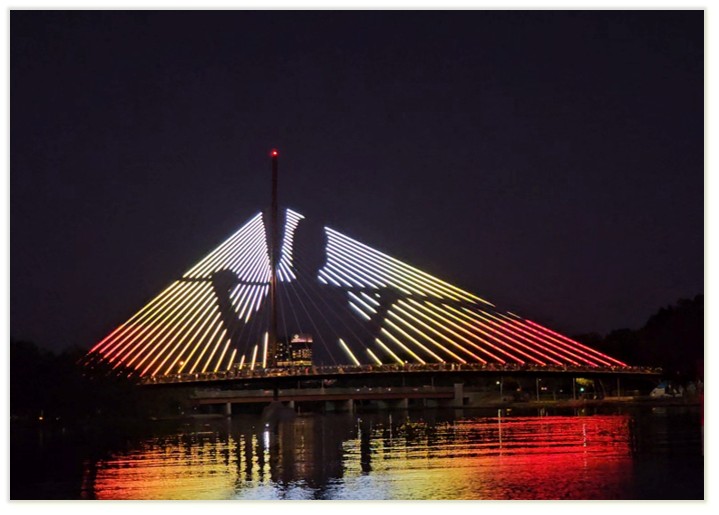
Boorloo Bridge consists of two curved cable stayed pedestrian and cyclist bridges across the Derbarl Yerrigan (Swan River), linking East Perth and Victoria Park via Matagarup (Heirisson Island). The 1.1 kilometre, 6 metre wide path provides separate spaces for pedestrians and cyclists, improving safety and accessibility for local communities and commuters to the Perth CBD. Opened in December 2024, the bridges reflect the cultural significance of the area and feature a lighting system of more than 17,000 LEDs that transform the structure into a digital canvas.
Winner: Victoria Bridge Refurbishment QLD
Submitted by Arup, Brisbane City Council, Nick Stevens Consulting, ACCIONA and Freyssinet Australia
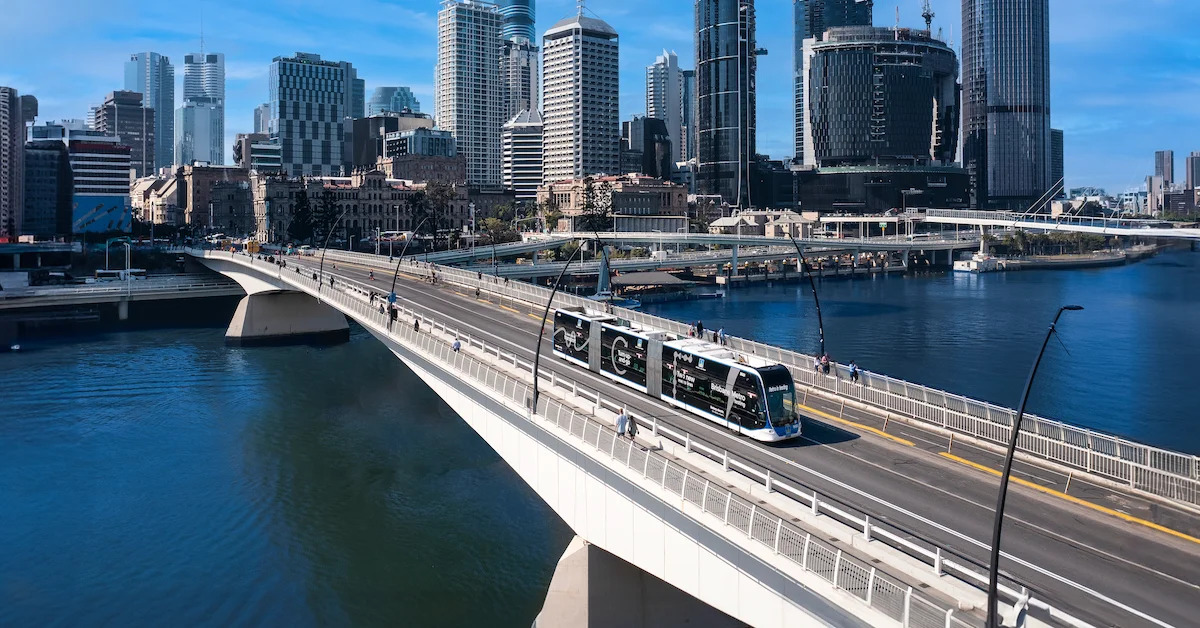
The Victoria Bridge, crossing over the Brisbane River, is a vital infrastructure asset since its opening in 1969. As part of the Brisbane Metro project, the bridge underwent a significant refurbishment to transform it into a dedicated public and active transport route. This project was the first in Australia to use Ultra High Performance Concrete for post-tensioning anchorages, highlighting a significant step forward in application. This resulted in significant material savings and reduced the number of transverse core holes needed.
Winner: Burnett Bridge
Submitted by Department of Transport and Main Roads QLD.
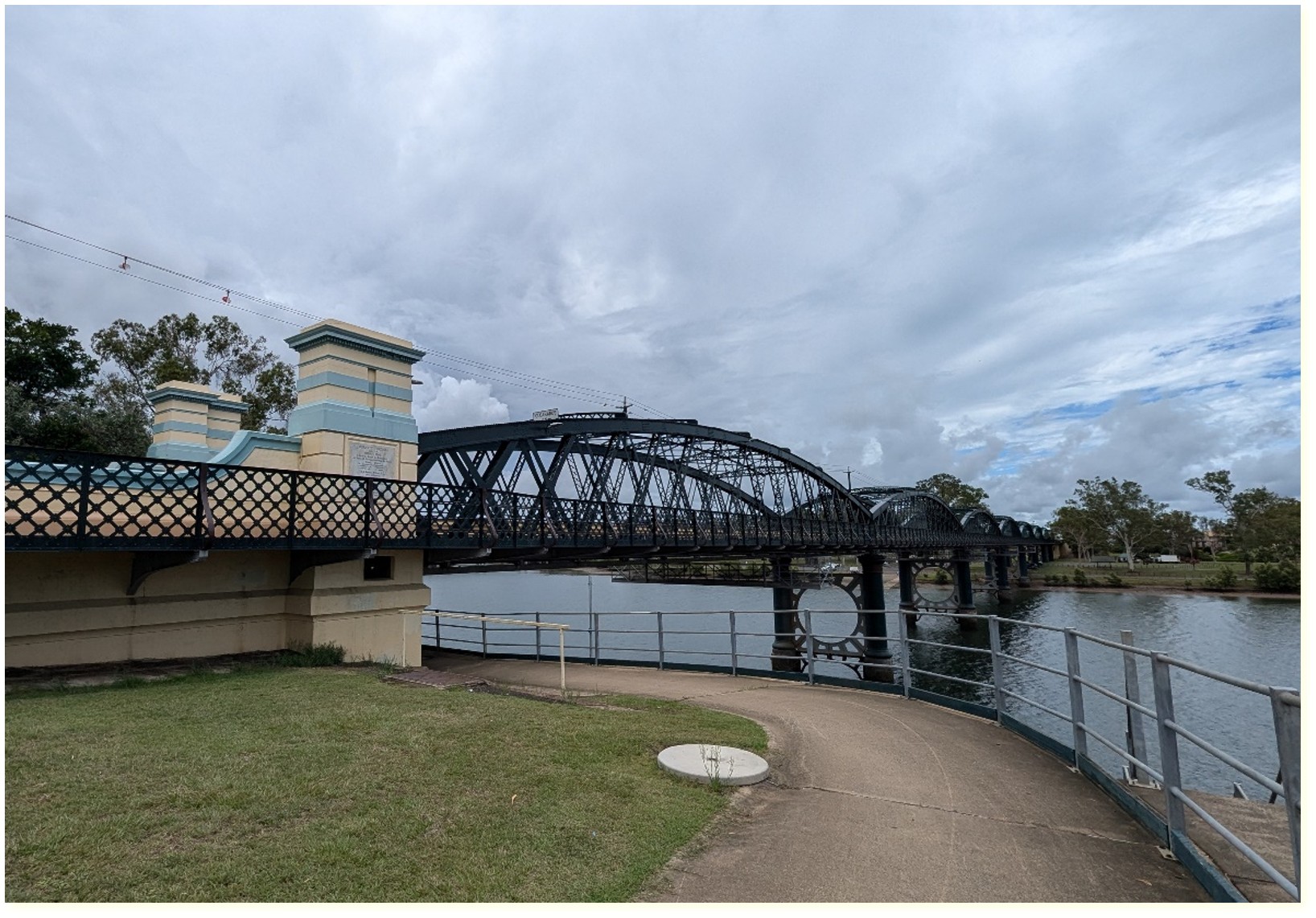
The Heritage Listed Burnett Bridge is a 125 year old bridge in Bundaberg. Transport and Main Road Queensland have recently undertaken a significant rehabilitation program on the structure to remove decades of failed paint systems including the original red lead paint, repaired critical corroded components, while preserving the bridge’s heritage aesthetics, before applying a new three coat paint protection system in the previously recognised heritage colours. Repairs have been completed in a fashion sympathetic to the original detailing of the bridge.
Winner: New Fitzroy River Bridge
Submitted by Fitzroy Bridge Alliance and Main Roads Western Australia.

After ex-tropical cyclone Ellie destroyed the original Fitzroy River Bridge, the Fitzroy Bridge Alliance rebuilt it in under 12 months, opening the new dual-lane bridge in December 2023; six months ahead of schedule and under budget. The project restored a vital freight and tourism link while creating new opportunities through exceptional local participation. 240 local workers contributed 23% of total workhours, with many taking their first steps into employment and breaking cycles of generational unemployment. Community engagement was central to the project, with partnerships with local schools and organisations, collaboration with Traditional Owners, and support for cultural events and community upgrades creating opportunities for learning, participation, and lasting local impact.