
Wednesday, 15 April 2026
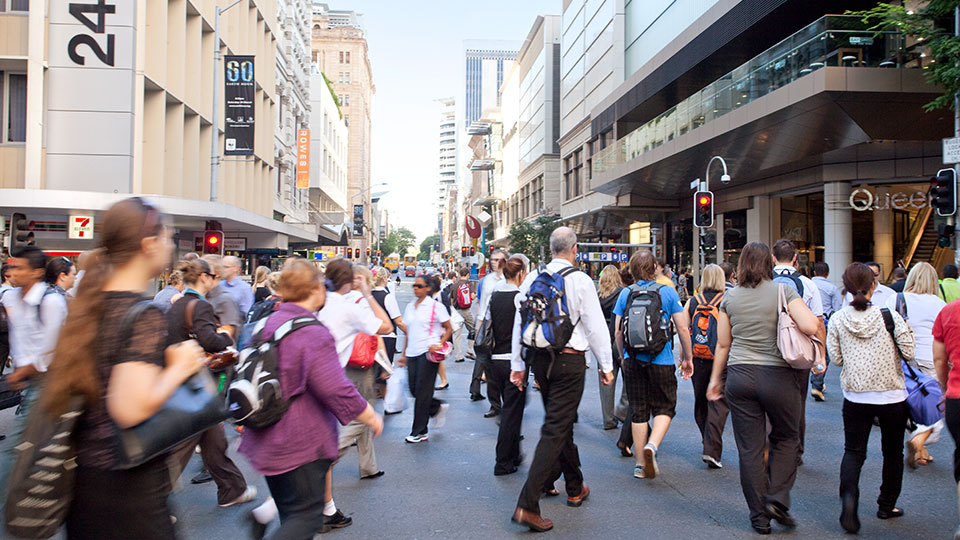
Austroads has released new research that adds depth and clarity to the evidence used to consider pedestrian safety, bringing together economic analysis, equity perspectives and a review of current guidance used in practice.
Three newly released Austroads publications will help transport agencies and practitioners explore patterns of risk, and reflect on how existing approaches could evolve, particularly in urban environments where the most pedestrian deaths and serious injuries occur.
“Planning and providing for the safety of pedestrians has changed,” said Michael Nieuwesteeg, Program Manager, Road Safety and Design at Austroads. “This research brings together new evidence and leading practice to help those responsible for our transport system keep people safe when walking.”
What the new research examines
The three publications focus on issues that are central to how pedestrian safety is considered across policy, planning, design and operation.
The Economic Assessment of Safer Speeds report examines how changes to speed limits, particularly in urban environments, can improve pedestrian safety, mobility and amenity. Using a cost–benefit analysis framework, that considers all road users, the report explores a range of speed reduction scenarios and demonstrates their value in safety and economic terms. The report notes that lower speeds contribute to creating safer, more accessible and enjoyable environments. The work is intended to help road and transport agencies and local governments better understand the factors influencing safer speed decisions.
The Understanding Inequity in Pedestrian Safety Outcomes report explores how pedestrian safety outcomes vary across different population groups and locations. It considers how factors such as age, ability, Indigenous identity, and socioeconomic context may influence risk when walking. By identifying patterns and contributing factors, the research provides insight to support transport system planning and investment that is safer and more inclusive for all people when walking.
The Strengthening Key Practitioner Guidance and Methodologies report reviews existing pedestrian safety guidance and methodologies used across Australia and New Zealand. It examines where approaches are aligned, where gaps exist and where guidance could be strengthened to reflect best practice. The report’s findings will inform future improvements in how pedestrian safety is considered within broader road safety guidance and frameworks that practitioners rely on.
Walking through the new pedestrian safety research: webinar series
- Register for Webinar: Understanding Inequality in Pedestrian Safety Outcomes | Thursday, 7 May 2026 | 1 pm AEST
- Register for Webinar: Economic Assessment of Safer Speeds | Thursday, 14 May 2026 | 12 pm AEST
- Register for Webinar: Strengthening Key Practitioner Guidance and Methodologies | Thursday, 21 May 2026 | 3 pm AEST
Part of an ongoing research program
The publications are part of Austroads’ Keeping people safe when walking project, a long‑term research program aimed at strengthening the evidence used to address pedestrian deaths and serious injuries across Australia and New Zealand.
The project is ongoing and will continue to produce further guidance, tools and research on key aspects of pedestrian safety, including data, risk, performance monitoring and decision‑making.
Inside the conversations shaping pedestrian safety
As part of this work, Austroads has also made available a series of videos featuring candid discussions with practitioners and experts from across the transport sector including government and academia. The interviews capture current thinking, challenges and future directions for pedestrian safety and are shared to support reflection and discussion across the sector.
The insights from these interviews will inform future project outputs.
The views expressed in the videos are those of the interviewees and do not necessarily reflect the views or position of Austroads and may not be reflected in final project outputs.
Download publications
Keeping People Safe When Walking – Stream 2: Economic Assessment of Safer Speeds
Keeping People Safe When Walking – Stream 2: Understanding Inequity in Pedestrian Safety Outcomes