
Wednesday, 26 August 2026
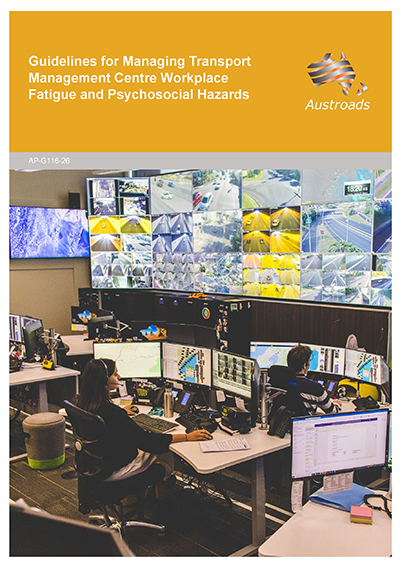
Every day, operators in transport management centres (TMCs) help keep people and freight moving safely across Australia and New Zealand. Working around the clock, they coordinate responses to crashes, extreme weather, road closures and major events, making critical decisions to support road users, emergency services and incident response teams.
Recognising the growing demands placed on this workforce, Austroads has released new evidence-based resources to help organisations better manage fatigue and psychosocial hazards in TMC environments. Supporting the wellbeing of TMC staff is not only a workforce issue, it is fundamental to maintaining safe, resilient and effective network operations.
As road networks have evolved, the role of TMCs has expanded significantly. The increasing use of technologies such as CCTV and drones, combined with rising community expectations around network performance and safety, has created new pressures for TMC workforces.
At the same time, staff are increasingly exposed to potentially traumatic events and material. Fatigue and psychosocial hazards can affect concentration, decision-making and wellbeing, creating risks for workers and potentially affecting operational performance. Left unmanaged, these risks can contribute to higher absenteeism, increased staff turnover and reduced productivity.
Drawing on extensive research, industry practice and insights from TMC leaders across Australia and New Zealand, the resources provide practical approaches to identifying, assessing and managing fatigue and psychosocial hazards within a workplace health and safety framework.
Amy Naulls, Austroads Transport Network Operations Program Manager, said the research was driven by a growing recognition of the unique pressures faced by TMC staff.
“Transport management centre staff perform high-stakes, safety-critical roles that are essential to keeping our transport networks operating safely and efficiently.”
“Many of the hazards faced by TMC staff cannot be eliminated because responding to emergencies and managing complex transport networks is core to the role. What agencies can do is better understand these risks and implement practical measures that support worker wellbeing, strengthen decision making and help sustain effective network operations.”
The research found that fatigue and psychosocial hazards are closely connected and require a proactive, systematic approach. The guidance provides recommendations to strengthen fatigue risk management, including consideration of shift patterns, workload, rest opportunities and on-call arrangements.
It also encourages agencies to build mental health literacy, strengthen support systems and involve staff in identifying and addressing workplace risks.
“Supporting mental health is about more than preventing harm,” said Amy Naulls.
“Strong workplace relationships, early intervention and a psychologically safe environment help people thrive both at work and at home. They also help organisations maintain the resilient, high performing teams we need to respond to incidents and keep our networks moving,” said Amy Naulls.
The guidance is intended primarily for government TMCs in Australia and New Zealand but may also provide valuable insights for organisations undertaking similar operational and incident management functions.
It is accompanied by a comprehensive research report examining current evidence, industry practices, emerging trends and opportunities to better protect workers exposed to fatigue and psychosocial risks in high-pressure operational environments.
- Download Guidelines for Managing Transport Management Centre Workplace Fatigue and Psychosocial Hazards
- Download Research Report Managing Transport Management Centre Workplace Fatigue and Psychosocial Hazards
Join the webinar
Wednesday, 9 September 2026 at 1:00 PM AEST | Presented by David Yee and Sarah Jones. The session includes live Q&A.
No charge but registration is essential. Can't make the live session? Register and we'll send you a link to the recording.